Analysis of Core Security Technologies of Smart Locks: Is Your Front Door Truly Secure?
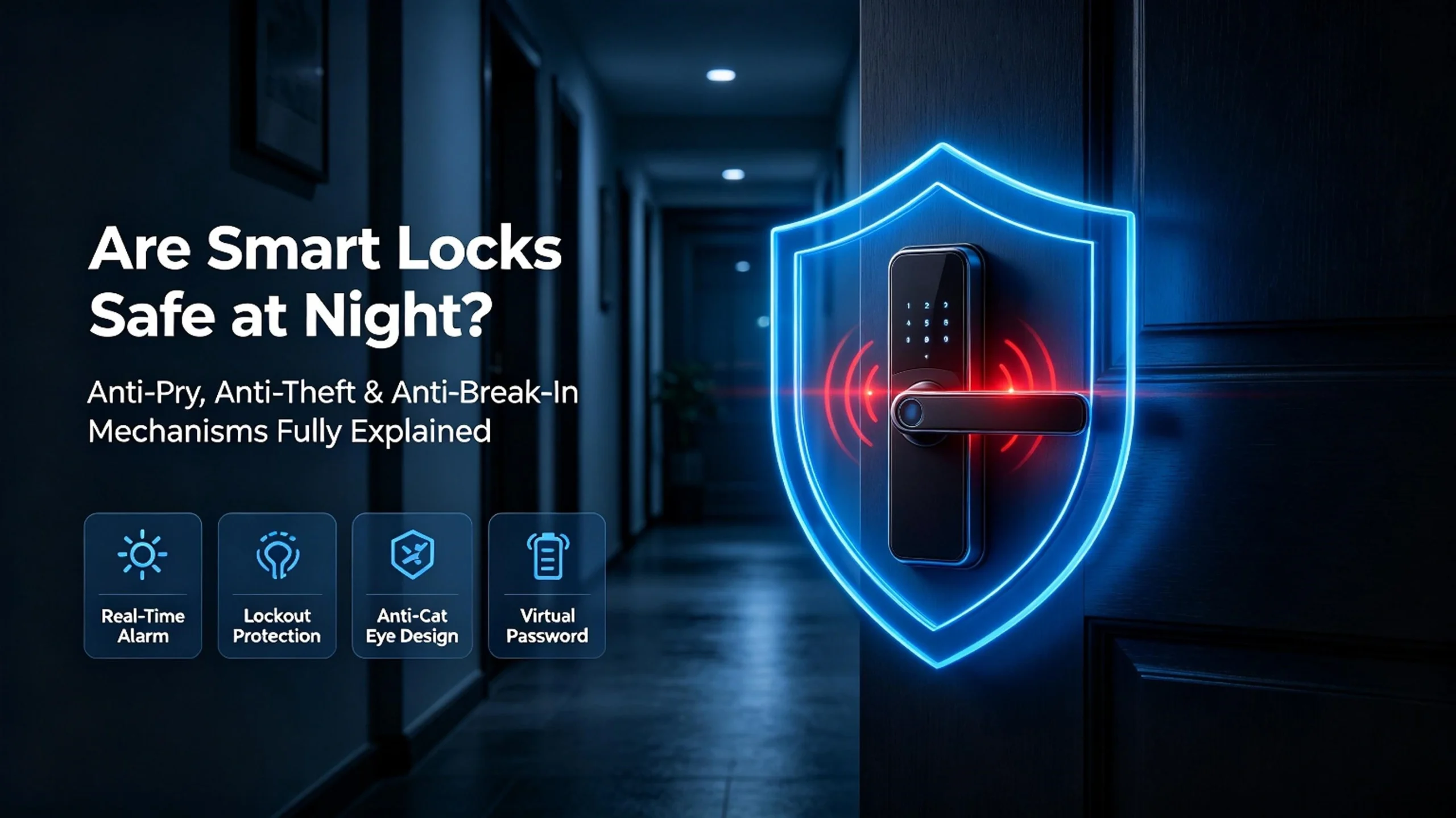
As smart locks gradually replace traditional mechanical locks, they have become mainstream home security devices. However, product quality on the market varies greatly, and most users cannot accurately judge the true security level of smart locks. This article analyzes the key security technologies of smart locks from four core dimensions including hardware protection, biometric recognition, active early warning and data encryption. It helps users identify product reliability from a professional perspective, avoid purchasing misunderstandings, and build a solid line of defense for home safety.
With the rapid popularization of smart home devices, smart locks have become the preferred choice for home entrance security thanks to their outstanding convenience, intelligence and efficiency, gradually replacing traditional mechanical locks. Nevertheless, many consumers hold a wrong perception that all smart locks are safe enough. In fact, the security performance of different smart lock products varies hugely. Low-quality products are prone to security risks such as prying damage, technical cracking, electromagnetic unlocking and data leakage. A truly reliable smart lock integrates multiple professional security technologies. This article comprehensively analyzes the security logic of smart locks from four core technical dimensions, helping users fully understand the key points of home security protection.