
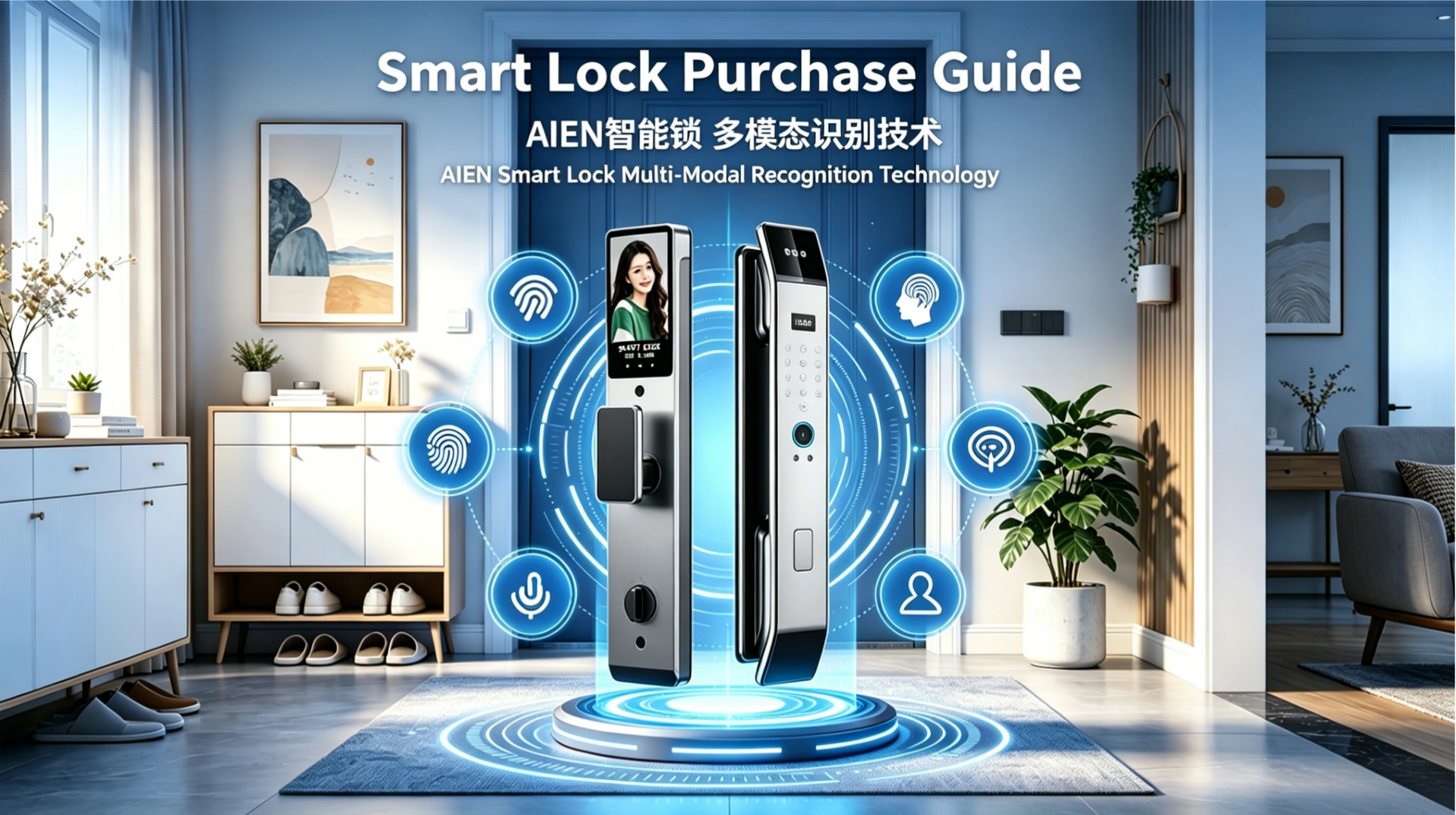
Abstract: IoT technology is transforming the global lock industry. Smart locks are no longer merely substitutes for mechanical keys. Remote permission management, region‑oriented hardware adaptation and cloud‑based backend for commercial projects represent new growth drivers. This article interprets three major market directions for 2026, covering product evolution for residential homes, long‑term‑rental apartments and hospitality scenarios.
In earlier years, smart‑lock selling points mainly focused on local unlocking modes such as fingerprint and passcode. Driven by booming overseas market demand, the industry is shifting toward cloud‑based management and region‑specific hardware adaptation.
First major trend: remote permission management becomes a non‑negotiable requirement Home owners generate temporary passcodes for visitors and cleaners; apartment landlords remotely add or revoke tenant access credentials; hotels centrally manage locks across guest rooms. Cloud‑based APP back‑ends are no longer optional extras. A growing number of buyers list remote permission management as a mandatory selection criterion. Time‑limited one‑time passcodes and full access logs have evolved from premium add‑ons into mainstream standard features.
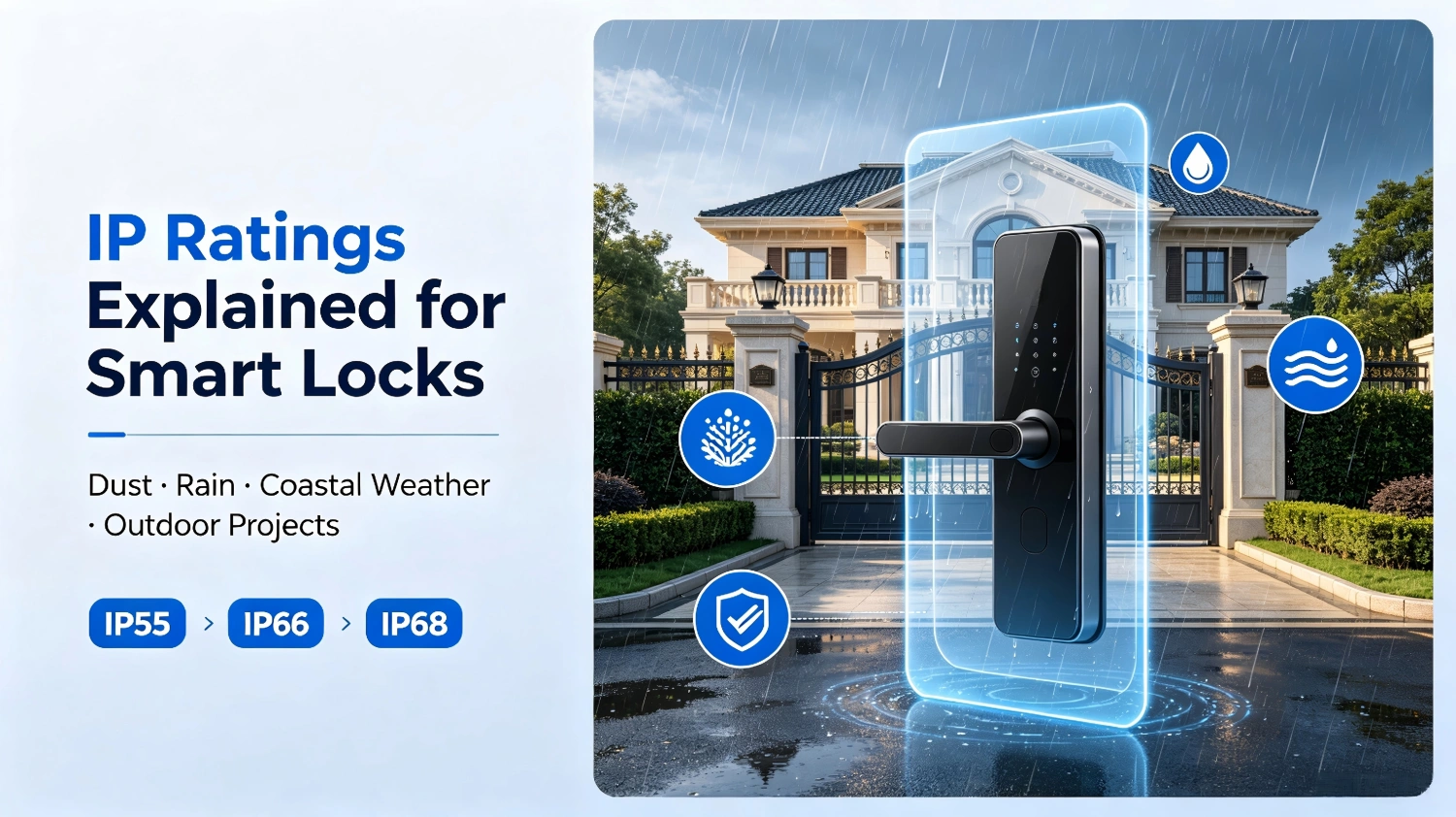
Second major trend: localized hardware adaptation serves as core competitive advantage for manufacturers Door structures, ambient conditions and regulatory standards vary drastically across territories in North America, Europe, Latin America and the Middle East. Tropical rainy zones demand enhanced water‑ and corrosion‑resistance; cold‑climate markets require hardware that functions reliably under frigid temperatures without fingerprint‑sensor or motor failure.
A single universal hardware model cannot satisfy all global markets. Factories capable of multi‑lock‑body compatibility, material customization and fine‑tuned firmware deliver region‑tailored variants, drastically cutting installation and after‑sales burdens for distributors. This capability ranks high on overseas buyers’ evaluation checklists.
Third major trend: continuous expansion of commercial‑market demands Beyond traditional hotel locks, short‑term vacation rentals, co‑working spaces, staff dormitories and storage warehouses are phasing out mechanical locks at scale.
Commercial deployments prioritize centralized device management back‑ends, role‑based access grouping and exportable complete operation logs. Commercial‑grade products also require higher stability, fire‑safety and anti‑burglary certifications compared with household‑grade counterparts. Commercial projects drive manufacturers to deliver customized solutions including lock‑body modification, firmware adjustment and integration with third‑party management platforms.
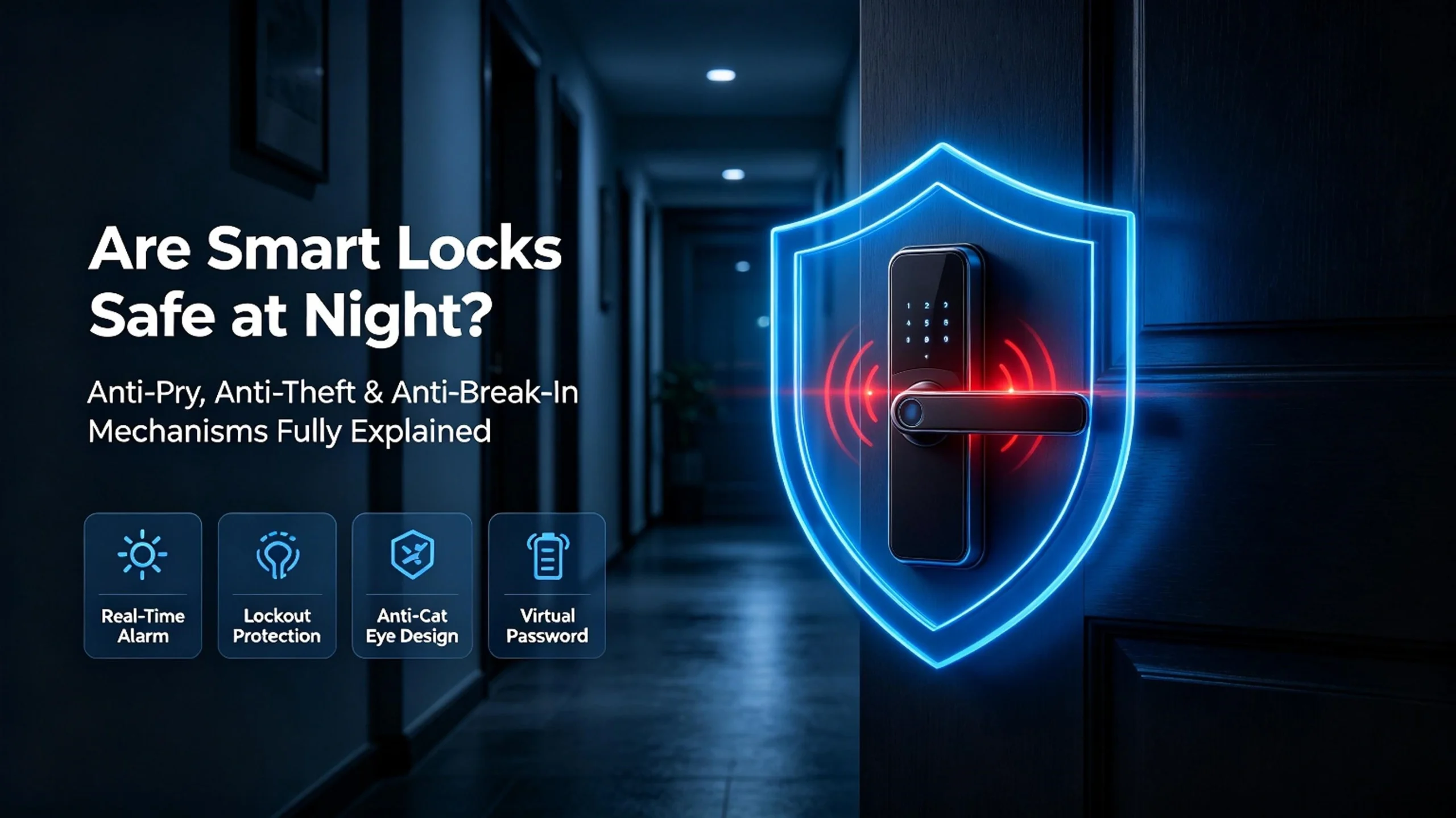
Security remains the bottom‑line principle across iterations. Protection features including data‑encrypted communication, anti‑pry alarms, dummy passcode and anti‑cat‑eye unlocking keep evolving to balance convenience and safety.
The smart‑lock industry is transforming from pure hardware sales toward “hardware + software management service + localized adaptation support”. When selecting solutions, distributors and end‑users should assess not only build quality, but also software stability and the supplier’s capacity to adapt products for local‑market requirements.